Navigating the Cancer Journey: Empowering Patients Through Advocacy and Education
Imagine walking into a healthcare facility, and as you step into the world of oncology, you realize just how overwhelming the experience can be. The word ‘cancer’—whether it’s a malignant neoplasm or a benign tumor—often heralds a wave of confusion and despair. However, what if you could turn this daunting journey into a path of empowerment? That’s where education comes into play. As they say, 'Knowledge is power', especially during your cancer journey. By harnessing the power of cancer education, patients can navigate their care more adeptly, understand their therapeutic options, and advocate for their health in a way that elevates their survivorship and quality of life.
In the ever-evolving world of tumor research, countless medical studies contribute to the wealth of knowledge about cancer therapy. This is not merely academic; it provides real-time resources for patients to arm themselves with information about their specific cancer type. Whether it’s understanding which clinical trials might be relevant or learning about emerging treatment options, gaining insight into the scientific advancements surrounding malignancies is crucial. So, as a patient, what specific questions should you ask your oncologist? Exploring preventive health measures, discussing lifestyle changes, and seeking comprehensive symptoms management can pave the way for improved patient care.
But why stop at just personal knowledge? The cancer community is built on the foundation of advocacy. By engaging in cancer-focused content—be it through blogging about cancer experiences or participating in support groups—patients can share their stories, learn from others, and foster emotional support. Have you ever considered how your journey could help someone else? When you contribute to the dialogue on cancer, you’re offering not only a lifeboat for yourself but also a beacon of hope for others navigating similar storms.
You might wonder about the impact of sharing information within this vibrant cancer education landscape. Let’s face it; knowledge isn’t just empowering; it’s liberating. The more you know about your options—whether that’s exploring new research advancements or understanding the psychological aspects of cancer therapy—the better you can make decisions that align with your goals for wellness. Do you trust your instincts when it comes to your health? Embracing a knowledgeable perspective enables you to voice your concerns and advocate for yourself with confidence.
Lastly, remember that education is a continuous journey. As we know, life after a cancer diagnosis can be filled with new challenges, but seeking ongoing patient resources and support through oncology support networks can significantly enhance your experience. Engage with various middle groups and online platforms striving to provide valuable insights and emotional support. Taking actionable steps, like participating in community forums or attending educational workshops, can transform your cancer experience from a fight for survival into a proactive quest for a fulfilling life. So, what’s your next step on this journey?
Advocacy in Action: How Patient Support Transforms Oncology Treatment
Imagine receiving a cancer diagnosis and feeling utterly adrift in a sea of uncertainty. The journey of cancer can be overwhelming, filled with medical jargon, weighty decisions, and a flood of emotions. Yet, in a world where malignant tumors seem to overpower hope, advocacy shines as a lighthouse, guiding patients towards better treatment and wellness. Advocacy in action is not just about speaking up—it's about fostering a community where patient support transforms oncology treatment and enhances the quality of life for those fighting malignancies.
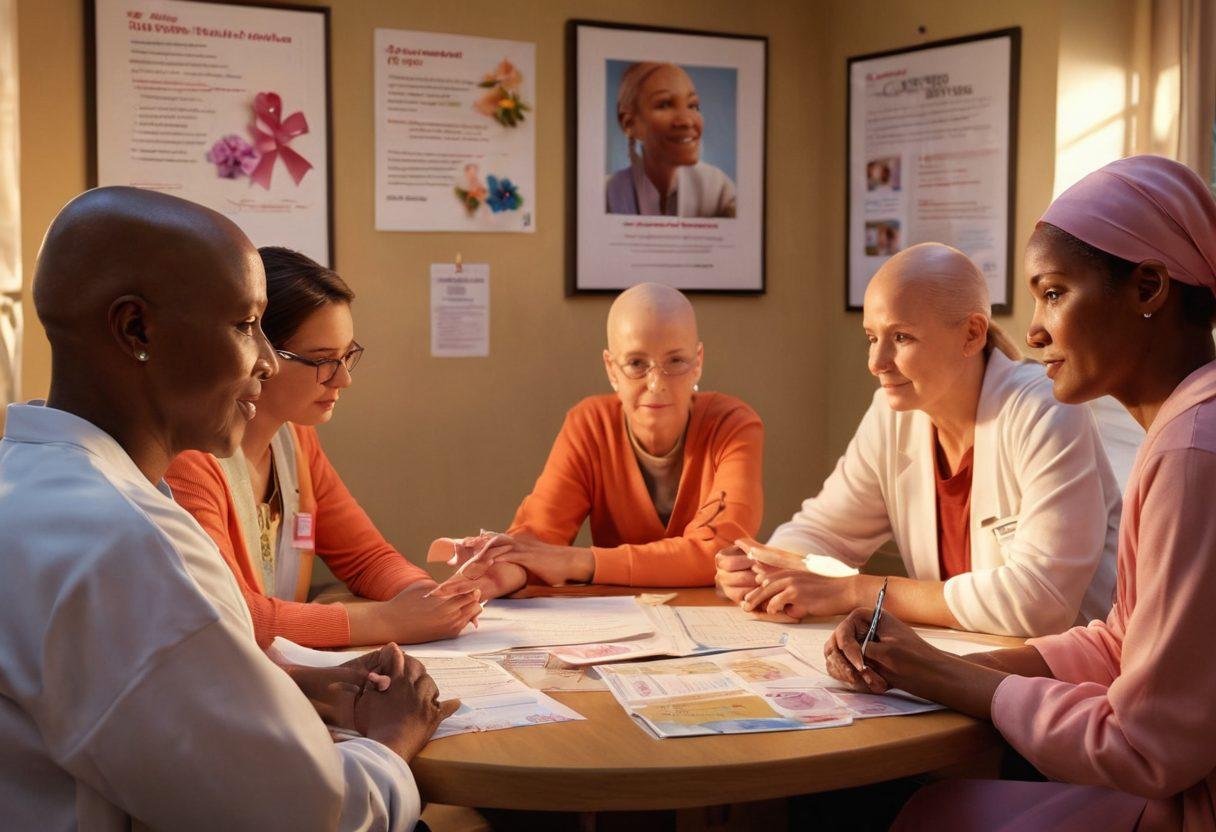
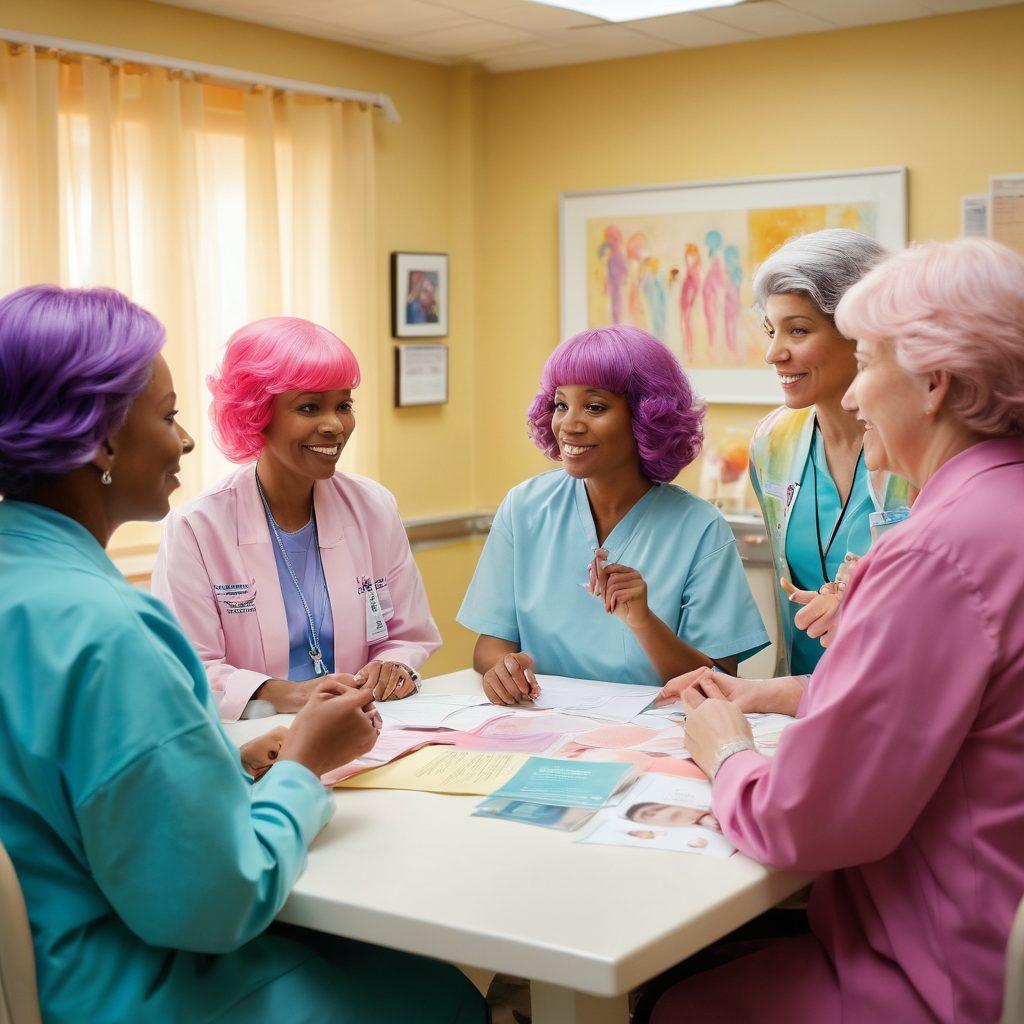
As patients embark on their cancer journey, the importance of advocacy becomes paramount. It's about ensuring that the voices of those facing a neoplasm are heard loud and clear. Imagine attending a support group where laughter mingles with tears, experiences are shared, and hope is palpable. This is how cancer advocacy takes shape—providing emotional support while empowering individuals with the knowledge they need to navigate their options. After all, with proper cancer education, patients are better equipped to make informed decisions regarding cancer therapy and therapeutic options.
A compelling facet of advocacy is the warmth and strength found in the cancer community. It's in those moments of vulnerability that friendships blossom and support networks create a safety net. Consider the impact of storytelling—one patient’s success may inspire another to seek clinical trials or explore new lifestyle changes for improved wellness. What if the next person whose life you touch could find the courage to tackle their symptoms management through your support? How transformative would that be?
In the context of oncology and tumor research, patient resources are invaluable. They turn despair into action. When patients are connected with research advancements or healthcare professionals dedicated to the cause, they feel less isolated in their fight against cancer. As we delve deeper into medical studies and public discussions about survivorship, patients can find hope reflected in reliable resources. This is what it looks like when advocacy pivots around the patient—creating a dialogue that goes beyond treatment to embody a shared goal of improved quality of life.
The ripple effect of advocacy reaches not only those undergoing treatment but extends to families and friends, transforming how the entire community relates to cancer. By blogging about cancer or creating cancer-focused content, we give voice to challenges that so often remain within the confines of hospital rooms. It’s about spreading awareness and fostering a culture where preventive health and trust in medical studies thrive. So, how will you become an advocate in action today? How will you change the narrative surrounding cancer and help those adrift in their journeys find their way?
From Diagnosis to Survivorship: Essential Resources for Navigating Cancer
The journey from diagnosis to survivorship can often feel like a daunting maze filled with twists, turns, and unexpected hurdles. For those recently diagnosed with a malignancy, whether it be a neoplasm or tumor, the overwhelming flood of information can leave anyone feeling lost. Yet, it is crucial to arm oneself with essential resources that not only provide clarity in the murky waters of healthcare but also support emotional wellness throughout this process. After all, what if every step taken could lead to not just survival, but a quality of life that thrives beyond cancer?
As the chapter of a cancer diagnosis begins, the importance of reliable patient resources cannot be overstated. Organizations focused on oncology provide invaluable tools that assist in navigating the complexities of cancer therapy. From symptom management guides to insights into therapeutic options, these resources can empower patients. Imagine having access to a network of support groups filled with individuals who share common experiences, offering emotional support and understanding when it's needed the most. This is the cornerstone of cancer advocacy—creating a community built on shared journeys and collective strength.
Engaging with cancer-focused content is another vital step in this journey. Blogging about cancer allows patients to express their feelings and share resources that have brought them strength. It opens a dialogue around not just the experience of illness but the pursuit of wellness through lifestyle changes and preventive health. How can we use our voices, experiences, and knowledge to inform others embarking on similar paths? Perhaps the answer lies in the plethora of medical studies and research advancements available today, which not only inform patients but also keep them updated on clinical trials and new cancer therapies on the horizon.
The power of education in oncology cannot be overstressed. Understanding the nature of one's cancer—its origin, symptoms, and the most recent findings in tumor research—can be all the difference when making informed decisions about care options. Patients who arm themselves with knowledge can collaborate more effectively with their healthcare team. It poses an intriguing question: How does knowing more about one's malignancy translate to a better fighting chance against it? Through access to up-to-date resources and patient care strategies, feeling empowered becomes part of the healing process.
Finally, the road from diagnosis to survivorship is enriched by an unwavering commitment to taking proactive steps in cancer care. This commitment is not only about medical treatment; it’s about fostering a lifestyle that promotes wellbeing and resilience. Whether through participating in clinical trials or seeking continuous education through trusted platforms, it is about building a foundation for a healthier future. As we look to the horizon, we invite you to take charge of your journey. Because at the end of the day, it’s not just about surviving cancer; it's about thriving in every aspect of life.